Fund Manager Interviews
Mr. Ritesh Jain
HSBC Asset Management India
Head of Fixed Income,
Mr. Karthikraj Lakshmanan
BNP Paribas Asset Management India Pvt. Ltd.
Senior Fund Manager - Equities
Mr. Mayank Prakash
BNP Paribas Asset Management India Pvt. Ltd.
Fund Manager – Fixed Income
Mr. Vivek Sharma
Nippon India Mutual Fund
Fund Manager - Fixed Income
Mr. Venugopal Manghat
HSBC Asset Management, India
Head Equities
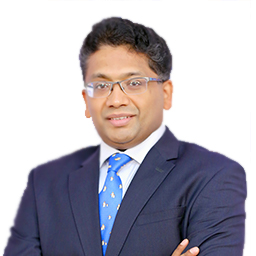
Mr. Vetri Subramaniam
UTI Asset Management Company Ltd
Group President & Head of Equity
Mr. Amandeep Chopra
Group President & Head of Fixed Income
UTI Asset Management Company Ltd
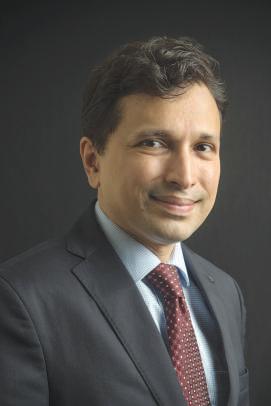
Mr. Vikas Garg
Invesco Mutual Fund
Head of Fixed Income,

Mr. Mahesh Patil
Aditya Birla Sun Life AMC
Chief Investment Officer

Mr. Taher Badshah
Invesco Mutual Fund
Chief Investment Officer
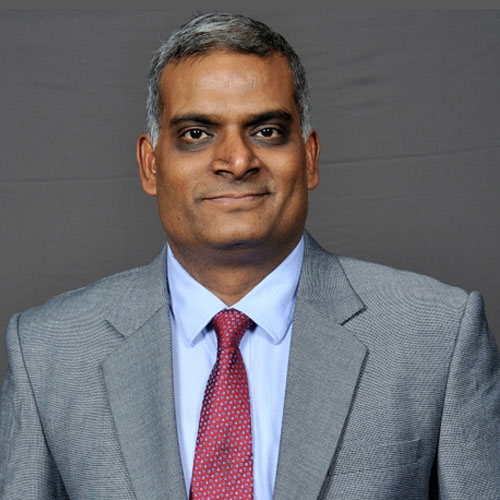
Mr. Avnish Jain
Canara Robeco MF
Head - Fixed Income
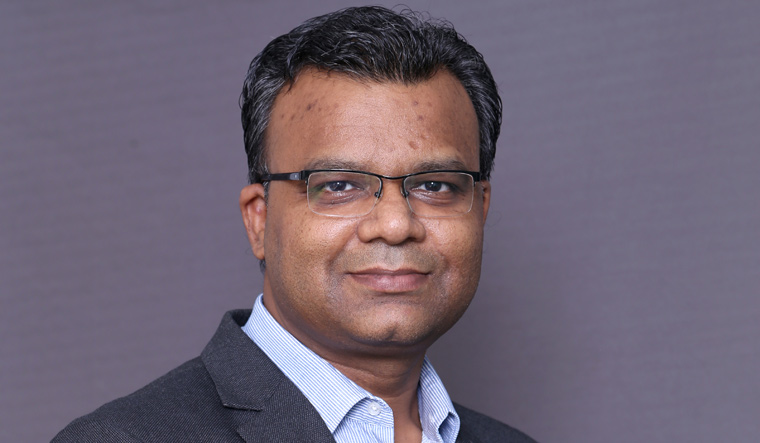
Mr. Shridatta Bhandwaldar
Canara Robeco MF
Head Equities
Mr. Manish Gunwani
Nippon India Mutual Fund
CIO - Equity Investments

Ms. Lakshmi Iyer
Chief Investment Officer (Debt) & Head Products, Kotak Mahindra Asset Management Company Limited.
Mr. Neelotpal Sahai
HSBC Asset Management, India
Head of Equities & Fund Manager
Mr. Ritesh S. Jain
Head of Fixed Income, HSBC Asset Management India
Ritesh Jain has been a SVP and Head of Fixed Income in the India Fixed Income team since June 2019. He has been working in the industry since 1998. Prior to joining HSBC Global Asset Management, India, Ritesh was a President, CIO-Fixed Income at IIFL Asset Management, Head–Fixed Income at Pramerica Asset Management and Principal PNB Asset Management Company. He holds a Bachelor’s degree from University of Calcutta and PGDBA (Finance) from Mumbai University, India.
Q. Can you please share your thoughts on the Union Budget? What are the key positives and negatives for you?
Answer: Union budget FY22 has been a big surprise for the debt market as it had a clear focus on structural growth keeping the fiscal on the sidelines in the interim. It is an expansionary budget driven by higher fiscal deficit target and slower pace of fiscal consolidation translating into higher than expected borrowing in the medium term. That said, much of the expansion is constructive as it is aimed at capex spending and for a cleaning up act (viz. payment of subsidy arrears). In summary, from survival to revival, Government’s intent seems clear on bringing back growth on the table, in a transparent manner with the fiscal consolidation rescheduled for another day.
The key positives of the budget are that it is a growth-oriented budget which clearly focuses on spending for revival. In that sense, there is a robust pick-up in capex expenditure vs revenue expenditure. While capital expenditure spending will be back-ended, it will result in more structural and strong growth in the medium to longer term. Other than that, the estimates are realistic and credible in its revenue projections especially tax revenue (FY22 growth is only ~10% compared to FY20). Also, GDP growth projections are conservative at 14.4% especially after a period of decline. While it lends strong credibility to the budget numbers, it also leaves room open for positive surprise in the future.
The budget focuses on improving fiscal transparency with onboarding of significant past off-balance sheet borrowing on books. It also focuses on the cleaning-up act across, not just with the fiscal numbers, but the intent to set up an ARC to support a clean-up of the banking system is welcome, especially at the time when banking system has not warmed up to credit growth despite rate cuts from the RBI.
From a market perspective, the key negatives of the budget are that of higher than expected fiscal deficit: Fiscal deficit at 9.5% for FY21 and 6.8% for FY22 along with a glide path of less than 4.5% by FY26, have been higher than expectations. Expansionary budgets in addition to higher borrowing also raise inflation concerns. With the fiscal consolidation path for both center and state pushed until FY26, heavy government borrowing until the medium term is a cause of concern for domestic markets. This is not just a question of absorption of the supply, but also could potentially crowd out private borrowing for capex, when the intention is to push capex. Also, with respect to the external rating pressures, a weak fiscal position could pose a credit challenge when compared with global peers. Note that all three major global rating agencies, S&P, Moody’s and Fitch have the lowest investment grade ratings at BBB-/Baa3 for India. Among the three, Moody’s and Fitch have a negative outlook while S&P has a stable outlook.
Q. What impact will the budget have on the bond markets, especially given the fiscal deficit projected at 6.8% for next year and 9.5% for the current FY? Please comment on the borrowing plans of the government. How do you think will it impact the yields in the market?
Answer: Markets have reacted negatively post budget as the deficit and borrowing numbers were clearly way above expectations. In terms of the borrowing plan - 61% of the total deficit is expected to be market borrowing via bonds which translates into INR 12 trillion of gross borrowing of government securities. Despite much of the expansion being constructive in nature, it was hard for the markets to digest that and markets reacted severely negative on the budget day. Post that all eyes were on RBI policy for the direction and relief.
While the much-awaited post budget policy delivered on all the required parameters, a powerful counter narrative to offset market concerns on the heavy borrowing program was missing. Also, the market was expecting definitive guidelines on liquidity such as OMOs which was not announced in the policy. The statement that CRR normalization opens up space for a variety of market operations to inject additional durable liquidity also did not comfort the markets. Perhaps market interpreted the absence of a concrete policy action on liquidity and borrowing program as a negative and yields hardened further.
However, we would think that all is not lost. RBI was keeping its tone balanced given the inflation risks and will deliver and support markets as done in the past. On the liquidity front, we expect RBI to remain accommodative and use its combination of conventional and unconventional tools to keep adequate liquidity to support the borrowing program as well as credit growth. Also on the growth–inflation dynamics, preference for growth will remain at least for the next 6–12 months, until there is a strong visibility that growth has steadied. On these counters, one could see a range-bound activity and a mild reversal in yields in the near term.
Q. The budget has proposed the formation of an Asset Reconstruction Co. and Asset Management Co. for managing stressed assets. What does this mean for the bond markets?
Answer: Formation of an independently managed ARC is a positive structural change as it removes the burden from banks to sit on the resolution table with an independent ARC manager. The pooling of stressed assets can lead to faster resolution and better recovery rates for lenders. Again, since the capital will be infused by the banks and not government, government will have a limited role to play in the resolution process and thereby adding to the transparency of the resolution process. For the bond markets, it means faster resolution of stressed debt thereby improving overall risk appetite. This should prove constructive for credit growth going forward.
Q. What investment strategy are you following for your flagship funds? Is there any change in the strategy post-budget?
Answer: Post budget we intended to maintain a neutral to underweight stance in the portfolios. We retain this view post RBI policy. Citing liquidity, we would retain a constructive view on the rates eyeing the front part of the curve with a carry view. Medium and longer end of the curve will see much of the volatility and pressure as the additional borrowing for the next two months is positioned in the space. We would however expect our position and strategy to remain flexible during the course of the year. RBI’s positive intervention could be a key driver of rates. Alongside, with bulk of the budget news now priced in, we see that several supplementary factors (inflation data points, currency, oil price movements, external rate factors) playing a dominant role going forward, which would dictate our strategy going ahead.
Q. What would be your advice to a moderate/aggressive debt MF market investor, hoping to generate 'real' returns over a 1-year and a 3-year investment horizon?
Answer: Investors’ positioning and investment in the market is more a function of their asset allocation and risk appetite. While short-end funds tend to do well with respect to consistency and volatility, their ability to generate return in a falling interest rate regime is limited. Similarly, while long duration strategy tends to be higher in terms of volatility, hence are categorized as relatively risky, their ability to generate capital gain is much higher in an environment when interest rate is moving down. But I reckon that timing the market and moving from one category to another in different cycles is not possible for investors. For now, we expect the market segment across the curve and especially the front to medium part to offer attractive carry options. With the overnight remaining close to reverse repo (currently at 3.35%), and expectation of a steep yield curve, we expect the risk–reward ratio to be favorable at those points in the curve. As such, the short/medium duration products with a cautious stance seem apt.
Source: Data as at 31 Jan ’21 unless otherwise given.
Disclaimer: This document has been prepared by HSBC Asset Management (India) Private Limited (HSBC) for information purposes only and should not be construed as:
i) an offer or recommendation to buy or sell securities, commodities, currencies or other investments referred to herein; or
ii) an offer to sell or a solicitation or an offer for purchase of any of the funds of HSBC Mutual Fund; or
iii) an investment research or investment advice.
It does not have regard to specific investment objectives, financial situation and the particular needs of any specific person who may receive this document. Investors should seek personal and independent advice regarding the appropriateness of investing in any of the funds, securities, other investment or investment strategies that may have been discussed or referred herein and should understand that the views regarding future prospects may or may not be realized. In no event shall HSBC Mutual Fund/HSBC Asset Management (India) Private Limited and/or its affiliates or any of their directors, trustees, officers and employees be liable for any direct, indirect, special, incidental or consequential damages arising out of the use of information/opinion herein.
This document is intended only for those who access it from within India and approved for distribution in Indian jurisdiction only. Distribution of this document to anyone (including investors, prospective investors or distributors) who are located outside India or foreign nationals residing in India is strictly prohibited. Neither this document nor the units of HSBC Mutual Fund have been registered under securities law/regulations in any foreign jurisdiction. The distribution of this document in certain jurisdictions may be unlawful or restricted or totally prohibited and accordingly, persons who come into possession of this document are required to inform themselves about, and to observe, any such restrictions. If any person chooses to access this document from a jurisdiction other than India, then such person does so at his/her own risk and HSBC and its group companies will not be liable for any breach of local law or regulation that such person commits as a result of doing so.
Mutual fund investments are subject to market risks, read all scheme related documents carefully.
Mr. Karthikraj Lakshmanan
Senior Fund Manager - Equities, BNP Paribas Asset Management India Pvt. Ltd.
Mr. Karthikraj Lakshmanan is at the helm as the Senior Fund Manager – Equities at BNP Paribas Asset Management (BNPPAM), since July 2008. He brings a wealth of experience of over 13 years coupled with insightful knowledge of the financial domain. He has previously held several leadership positions including Senior Research Analyst in the Portfolio Management Services division of ICICI Prudential AMC assisting the Fund Manager in managing Equity Portfolios. He has also garnered valuable experience working with Goldman Sachs in the Global Investment Research Division and with Wholesale Banking Group of ICICI Bank. A seasoned professional, he is an astute reader of the market dynamics and brings strong fund management capabilities to the table. Mr. Lakshmanan is a Chartered Accountant and holds a Post Graduate Diploma in Business Management from SPJIMR, Mumbai. He has a CFA Level 3 (CFAI, USA) degree as well.
Q. The equity markets have rallied a lot in recent weeks. What are the factors driving this rally especially with high economic costs due to the present crisis?
Answer: In March this year, Indian markets along with global markets saw a sharp correction due to fears of Covid-19 becoming a global pandemic impacting the economy significantly. However, the correction though sharp was short-lived and the markets have rebounded back over the next 6 months. Global Central Banks sprung into action quickly adding significant liquidity to the system as well as bringing down the already low interest rates further. It seems the central banks may continue with excess liquidity for considerable time till the economic recovery is strong. Governments on their part too have announced fiscal stimulus measures to improve demand conditions. The markets seem to have discounted the fact that interest rates are likely to be lower and some amount of the liquidity has found its way into financial assets like fixed income and equities. While lower cost of capital led rerating has played out, the economic recovery led profit growth needs to support the markets further from here on.
As of now, Indian markets’ correlation with global markets is quite high in the short term in the current year. Eventually, fundamentals would matter and the market movement may be decided by how fast our economy reaches and crosses pre-covid levels of activity. As of now, expectations are towards normalisation by end of FY21. Any further delay may be negative. Government measures to stimulate demand or earlier than expected normalisation may be positive.
India’s long-term demographic led consumption story may have been delayed by a couple of years but it still has enough legs. The economy may still be amongst the highest growing ones within the larger economies. That could throw a lot of stock picking opportunities for long-term investors with a 3–5 year plus investment horizon.
Q. The past month saw a lot of public opinion against China and there is some focus around "Atmanirbhar Bharat". How do you see this impacting domestic business given the strong integration with China?
Answer: Events like the COVID-19 pandemic act as facilitators for some businesses and impediments for others. China has long been considered as the global supply chain hub. This change in scenario has forced countries across the globe to reduce their dependence on China and reassess their global supply chains. This is true for India as well. Such a shift in supply chain dynamics might cause some near-term pain. However, over the long-run, it will create new opportunities for existing and new businesses to either enter new domains or consolidate their positions in existing domains which were previously threatened by Chinese suppliers. With the significant measure of Corporate tax cut by the Government last year, this provides a huge long-term opportunity for India to "Make in India" for import substitution and exports as well.
Q. There is growing interest around gold in recent times amongst investors. How do you see this asset class in today's scenario and should retail investors make it a part of their portfolio?
Answer: Gold as an asset class has historically performed very well in times of economic and political uncertainty. To understand why investors gravitate towards gold in uncertain times it is important to know about the factors that make gold unique. Gold acts as a good portfolio diversifier as it has low to negative correlation with both debt and equity, having good historical performance with lower drawdowns. Also, gold is considered a good hedge against inflation, and lastly, in India, gold holdings are maintained to provide a feeling of financial security as it is considered a liquid asset which can be easily monetised in times of need. All these factors have led to gold being an important asset class. However, since it is not a productive asset and fundamental valuation is not possible, opining on the same is difficult. Investors may have to take a call based on their unique circumstances and risk-return profile.
Q. How is the mutual fund industry coping up with the business duties amidst the Covid-19 crisis? Can you throw some light on how the operations are being handled?
Answer: Our business has to a large part moved to digital means. Investors and Distributors have been able to seamlessly transact digitally. Most of the company and client meetings happen online. The MF industry has done well to handhold their partners and investors and keep them constantly updated with the latest developments in the markets.
Q. How should investors decide their asset allocation in such market volatility? What investment strategy should they follow?
Answer: An investor’s asset allocation strategy should take into consideration the investor’s goals, return requirements, risk profile, and investment time horizon. By taking these factors into consideration, investors can ensure that they create a well-diversified portfolio that is able to meet their return requirements while reflecting their comfort level with risk. In the current market volatility, investors should avoid panic and make investment decisions that adhere to their asset allocation strategy. Further, in case their investment portfolio has diverged from the asset allocation strategy, they can consider rebalancing their portfolio to ensure adherence. In volatile markets, it is even more imperative to adopt a long-term view and continue investing as per their asset allocation and investment strategy rather than being bogged down by near-term factors.
Q. Many new investors are not happy with low equity fund returns, especially on their SIPs. In such a scenario what would be your message to these investors?
Answer: Equity SIPs have historically performed well over the long-term. There are several factors that contribute to their long-term performance. Firstly, over the long-term, investing can benefit from the power of compounding such that their earnings get multiplied. Secondly, it brings about financial discipline and savings culture in investors which goes on to help in the long term. Finally, equity as an asset class tends to be volatile in the near term primarily because in the short-term equity prices react to market noise and investor emotions. However, over the long-term, stocks tend to reflect their true fundamental value. Thus, SIP is a good tool in the hands of investors to accumulate wealth over longer term.
Disclaimer: The material contained herein has been obtained from publicly available information, internally developed data and other sources believed to be reliable, but BNP Paribas Asset Management India Private Limited (BNPPAMIPL) makes no representation that it is accurate or complete. BNPPAMIPL has no obligation to tell the recipient when opinions or information given herein change. It has been prepared without regard to the individual financial circumstances and objectives of persons who receive it. This information is meant for general reading purpose only and is not meant to serve as a professional guide for the readers. Except for the historical information contained herein, statements in this publication, which contain words or phrases such as 'will', 'would', etc., and similar expressions or variations of such expressions may constitute 'forward-looking statements'. These forward-looking statements involve a number of risks, uncertainties and other factors that could cause actual results to differ materially from those suggested by the forward-looking statements. BNPPAMIPL undertakes no obligation to update forward-looking statements to reflect events or circumstances after the date thereof. The words like believe/belief are independent perception of the Fund Manager and do not construe as opinion or advice. This information is not intended to be an offer to sell or a solicitation for the purchase or sale of any financial product or instrument. The information should not be construed as investment advice and investors are requested to consult their investment advisor and arrive at an informed investment decision before making any investments. The Trustee, Asset Management Company, Mutual Fund, their directors, officers or their employees shall not be liable in any way for any direct, indirect, special, incidental, consequential, punitive or exemplary damages arising out of the information contained in this document.
Mutual Fund investments are subject to market risks, read all scheme related documents carefully before investing.
Mr. Mayank Prakash
Fund Manager – Fixed Income, BNP Paribas Asset Management India Pvt. Ltd.
Mr. Prakash has 14 years of robust experience in debt fund management, with deep expertise in solving clients’ challenges. As a Fund Manager, he builds fixed-income portfolios and provides market insights that help clients stay ahead. Previously, he worked as a Fund Manager at Kotak Mahindra Asset Management Co. Ltd., focusing on equity research. He is a Chartered Accountant and holds a Master’s in Business Administration from Kanpur University.
Q. How has the Covid-19 pandemic impacted the economy and debt markets?
Answer: The lockdown measures sharply affected India’s economic growth, with GDP contracting by 23.9% in Q1FY21 — the lowest on record. The government announced multiple stimulus packages amounting to nearly 10% of GDP, mostly focused on liquidity and credit support. While the credit markets were already under stress before Covid, RBI and government measures have provided significant relief and eased liquidity pressures.
Q. The debt funds have witnessed liquidity issues in the recent past. Has the situation improved?
Answer: Liquidity has improved considerably due to RBI’s policy actions. However, uncertainty remains over the asset side of corporates’ balance sheets, leading lenders to be selective. While a liquidity freeze is unlikely in the near term, banks prefer lending to stronger and high-rated corporates. The government and RBI continue to support liquidity flow through various measures.
Q. Fitch recently downgraded the long-term ratings of several Indian banks. Should investors worry about stability?
Answer: Private sector banks have consistently gained market share over PSU banks and are better positioned with adequate capital, stable management, and stronger access to markets. The long-term outlook remains positive due to robust retail credit demand and improving corporate credit quality.
Q. Are debt markets safe in today’s environment? Which funds would you recommend for stability?
Answer: In the current scenario, safety takes precedence over returns. We recommend focusing on PSU, PFI, and sovereign papers for capital protection. Investors should avoid chasing higher yields and instead maintain a conservative portfolio focused on liquidity and credit quality.
Q. What investment strategy do your flagship debt funds follow?
Answer: At BNP Paribas, we believe “we are investors, not lenders.” Our approach emphasizes deep credit research, focusing on the issuer’s financial strength, operating cash flows, sector outlook, and corporate governance. We prefer companies with solid fundamentals and strong parentage, ensuring consistent long-term performance.
Q. What’s your message to investors amidst the current volatility?
Answer: Investors should stay invested in high-quality exposures such as PSUs, PFIs, and corporates with proven track records. It’s advisable to avoid speculative credit upgrade ideas for now. Prioritize capital safety and liquidity until there’s more economic clarity.
Disclaimer: The material contained herein has been obtained from publicly available information, internally developed data, and other sources believed to be reliable. However, BNP Paribas Asset Management India Pvt. Ltd. makes no representation that it is accurate or complete. This information is for general educational purposes only and should not be considered investment advice. Investors should consult their financial advisors before investing. Mutual Fund investments are subject to market risks; please read all scheme-related documents carefully before investing.
Mr. Vivek Sharma
Fund Manager - Fixed Income - Nippon India MF
Vivek Sharma, Fund Manager Fixed Income has total 9 years experience with Nippon India Mutual Fund Assisting in actively managing the duration and asset-allocation of various debt portfolios such as Income Fund, Gilt Fund, Dynamic Bond Fund, Ultra Short Term Fund, FMPs, Credit Fund, Liquid Fund & Liquid Plus Funds. Vivek Sharma joined NAM India in 2006 as Management Trainee & has been working with Fixed Income Team since 2007.
Q. What is the reason behind the yield gap between short and long duration papers in the market? Are fund managers increasing exposure to long-duration bonds in their short term funds to boost performance?
Answer: Excess liquidity in the system is keeping shorter end rates anchored at record low levels. Further, in the recent monetary policy meeting, RBI has patently stated that it will continue with an accommodative stance atleast through this financial year and into the next financial year. This has given comfort to the markets in terms of easy liquidity conditions lasting for a relatively longer time period. However, the longer end is bogged down in supply side pressures emanating from fiscal slippages (centre & states). Although the possibility of major downward yield movement at the longer end looks bleak, levels will stay range bound due to RBI supportive measures. Further, in the corporate bond space we see limited supply relative to GSECs and SDLs (especially at the shorter end). As a result we have witnessed curve steepening across asset classes. In short, current yield gap between short and long duration papers is an outcome of excess liquidity overhang and a general aversion to run longer duration due to uncertainty stemming from fiscal side.
Q. Can be share how the new risk category defined by SEBI will be applicable for debt funds? What has changed now for risk rating the debt funds?
Answer : Risk Score will be considered by taking the simple average of 1) Credit Risk of Debt Securities, 2) Interest Rate Risk of portfolio and 3) Liquidity Risk Value
- Credit Risk Score will vary from 1 to 12. For eg., 1 for Gsec / AAA and 12 for Unrated Securities
- Interest Rate Risk Score will vary from 1 to 6. For eg., 1 for Portfolio Macaulay Duration $\le 0.5$ and 6 for $> 4$
- Liquidity Risk Score will vary from 1 to 14. Listing status, credit rating and structure of debt instruments considered. For eg., Treps/G-Sec/AAA rated PSU/SDL will have a score of 1. AAA rated debt securities with any of the features: Unlisted, bespoke structure, structured obligation, credit enhancement, embedded options will have a score of 3. Below investment grade / unrated debt securities will have a score of 14
If Liquidity Risk score is higher than the average of Credit Risk, Interest Rate Risk and Liquidity Risk, then Liquidity Risk Score shall be the Risk Value of the Fund
Now what has changed
| Current | New |
|---|---|
| AMFI Best Practices Circular in effect from July 1, 2015 | SEBI Circular in effect from Jan 1, 2021 |
| Classification mainly based on SID (as per the category) and Annual Review | Classification on actual portfolio. Review on a monthly basis (new) |
| Risk Scores and Scheme Performance were not related | Risk is likely to be evaluated along with Returns |
Q. Given the fear of an economic slowdown, expectations are that the interest rates will remain low for some time to come. In such a scenario, what should the investor return expectations be from short, medium and long duration debt funds?
Answer: In the current scenario rates are expected to stay low over medium term. Surplus liquidity, accommodative stance and RBI unconventional measures have created a perfect environment for benign rates and steep curves. Currently tenor spreads across asset classes are quite attractive. With RBI supportive measures we might see some flattening in yield curves across asset classes. Investors will also stand to benefit from the present curve steepness which provides protection while adding duration. Investors with a longer investment horizon can add duration to their portfolio to encash the attractive tenor spreads. From a short to medium term perspective they can focus on a good blend of accrual income and duration.
Q. In layman terms, what is the risk today in investing in debt funds and what should investors do to manage the same?
Answer : Extremely uncertain times are posing major risk to any investment decision. On the pandemic front, the world still continues to fly blind with fundamental upside & downside risks to the outlook of every macro-economic variable. Globally as well, fear of second wave of infections, no certitude around vaccine timelines & efficacy, geopolitics, US election induced turmoil are relentlessly battering financial markets. For debt funds in particular, if inflation print fails to fall within RBI’s comfort zone, the central bank will be forced to act. Although possibility of unwinding of liquidity measures in near term looks dismal, it cannot be completely ruled out. Any policy reversal signals will lead to hardening of yields. Market might also remain choppy due to volatility induced by external events. Nevertheless, if the investor has matched his investment horizon with duration of the debt fund, his returns over the investment time frame are protected. Further, investors can explore roll down funds that offer good visibility of returns amidst the current uncertain scenario. Also the duration risk proportionately reduces in case of roll down funds as time progresses, thereby protecting investor returns. In current times, investors must prioritize funds that focus on maintaining good credit quality assets in their portfolio. Further, funds leveraging the current attractive tenor spreads to generate excess returns should be prioritized. This is extremely important because extant curve steepness and compounding offer protection while taking duration risk in such funds.
Q. How are your managing your portfolios of flag-ship funds? Can you share your underlying views on macro-economic front guiding the portfolio construction?
Answer : We continue to believe that there will be some element of near-term uncertainty around inflation which will progressively ebb as supply pressures begin to ameliorate. RBI has clearly stated that it will look through inflation induced by supply side factors. However, over medium term the economy is headed towards a low growth, low inflation environment. Thus, there is a strong case for interest rates to remain anchored at benign levels over medium term on account of supportive RBI measures and fundamental factors like low inflation-low growth dynamics. The focus of monetary policy will clearly continue to be on revival of growth in a durable way which in turn is bound to be sluggish. The interest rate outlook might stand punctured if there is some interim volatility induced by external events. Going forward, RBI will also be proactive in orderly management of demand-supply dynamics of bond market and hence sovereign borrowing program will sail through smoothly. Possibility of further rate cuts appears bleak; however unconventional support will persist. Thus going ahead Gsec yields would remain range bound. Keeping the dynamic of a benign interest rate environment with intermittent volatility, the portfolios will be aligned such that core allocation continues to reflect our view that interest rates would remain range bound, but the tactical allocation remains nimble to interim market volatility. However, amidst such highly uncertain times it will be prudent to reduce the tactical component of portfolio allocation in order to limit the value at risk during unfavourable interest rate movement.
Q. What advantages do debt funds offer over say bank FDs in the current phase of low returns from debt funds? What would be your advice to investors looking for debt investments at this point of time?
Answer : Debt funds with a good blend of accrual income and duration are expected to outperform bank FDs in medium to long term. Secondly, in active fund management tenor spreads (curve steepness), selection of assets, tactical duration calls etc. can be effectively leveraged to generate excess returns. Further debt funds offer easy liquidity over bank FDs. On a post-tax basis debt funds stand to outperform bank FDs.
Mr. Venugopal Manghat
HSBC Asset Management, India
Mr. Venugopal Manghat is Head- Equities at HSBC Asset Management, India. He manages the HSBC Asset Management, India Fund, HSBC Asset Management, India Fund, HSBC Asset Management, India India Large Cap Fund and HSBC Asset Management, India Arbitrage Opportunities Fund. Venugopal also manages the equity component ofHSBC Asset Management, India Equity Savings Fund and HSBC Asset Management, India Monthly Income Plan. Mr. Manghat has an experience of 23 years in equity markets in India. Prior to joining HSBC Asset Management, India Investment Management, he was Co-head of Equities at Tata Asset Management. He has worked for more than 16 years with Tata Asset Management Limited having joined as a Management Trainee and has worked in various capacities including as dealer for equity & debt, as research analyst for equity & credit, as Head of Research and managing some of the key equity and hybrid schemes for the company. He started his career as a research analyst on the sell side before joining Tata Asset Management. Mr. Manghat holds a Bachelor of Mathematics degree and an MBA in Finance.
Q. Exactly about a year ago, the entire pandemic crisis was unfolding and yet till February 2021, the Sensex has returned almost 30%. What important lessons have we learned over the past year?
Answer: The coronavirus brought on the worst global pandemic in over a century. This black swan event and the last few months have taught investors several lessons, if not reminded them of some basic truths. Some of these are:
- The market is **forward looking** and predictive rather than reflective. An investor waiting for a turnaround to happen like the approval of the first vaccine would have missed the rally. It is also a reflection of sentiment and not just current economic data.
- **Timing the market is incredibly difficult** and exiting during a sell off often does more harm to your portfolio in the long term. You are far better remaining invested in the market rather than trying to jump in and out based on forecasts and short-term events.
- In bad times **companies adapt to changing conditions**, as the pursuit of survival and profit encourages adaptability. For example, the pandemic has certainly accelerated the need for increased digitilisation and automation.
- **Fear drags everything down** including something that stood to benefit from the change, like a technology company. However, it does seem to have a shorter shelf life in the market compared to hope.
- It pays to be **greedy when others are fearful**.
Q. The Sensex is still floating above 50,000 mark. What is your assessment of the present valuations of the markets?
Answer: Valuations are a function of fundamental factors like earnings growth as also of cost of capital, liquidity etc. While, optically, valuations look high on a headline index basis, there are stocks in the broader market which are relatively cheaper compared to the front-line index. Also, earnings growth has been subdued over the last few years, while markets have moved up. As earnings growth pick up, this valuation excess will tend to normalise. COVID-19 has resulted in developed and emerging countries to adopt convergent fiscal and monetary policies leading to lower cost of capital and the current expectation is that these low rates will remain for some time. Hence it is possible that higher valuations sustain for longer.
Q. After two-quarters of negative growth, India’s GDP reported a marginal positive growth in Q3 FY21. How do you see the economic recovery playing out? What are the pain areas?
Answer: Post Pandemic, India is witnessing sharp recovery in economic growth as reflected in GST collections, power demand, E-way bills and other economic activity indicators. Economic growth is getting a push through govt. spending and incentives. Given a low base & a better than expected recovery, near term economic data is likely to show improvement. This is aided by low interest rates, government support to industry and a cyclical upturn, apart from bunched up demand in many sectors. Hence FY’22 should be a normalisation year. **Pain areas** are stress in **MSME segment** including unorganised sectors and the sectors with direct impact like **aviation, hospitality, entertainment** etc.
Q. There are some concerns about rising bond yields in the debt market. Can you explain how bond yields can potentially impact the equity markets?
Answer: With a recovery in the global economy, we have seen inflation and inflation expectations increasing and bond yields have started rising in line with this trend. While we can say that the downtrend in rates is now possibly done, the expectation is that a low interest rate environment will continue for some time to support the economic recovery. Low interest rates contributed to the valuations of stocks going higher. As and when **rates rise** or there are expectations of a rate increase, the **market valuations could adjust lower**. Also, there has been a significant increase in flows to equities across the World, especially to emerging markets, with strong liquidity and near zero interest rates in the developed economies. Some of these **flows might reverse if interest rates move higher**.
Q. What is the investment strategy you are following in your flagship equity funds? What returns should investors expect investing in these funds from current levels?
Answer: Over the last several years, we have remained true to label investors with the investment strategy of each scheme consistent with its investment objective, despite the market volatility. Broadly, our investment strategy across schemes follows a **bottom-up approach** while investing. We evaluate companies on multiple parameters like business potential, management quality / ability, capital allocation & returns, competitive advantages, profitability, threats from disruptive forces, relative valuations etc. In general, we try and keep the strategy simple, which is to **buy good quality companies at reasonable prices** depending on the scheme objective and **stay invested for long periods of time** to let the businesses compound in value.
Q. What would you suggest existing and new investors looking to make returns out of equity markets? Any specific strategy /approach should they follow?
Answer: I would suggest existing investors to **remain patient** and not get carried away by the volatility in the markets as long term gains from equities are expected to be better than other asset classes. With that perspective, **corrections like the one witnessed last year should be bought**. Having said that, one should not get carried away by the sharp rally seen in markets in the last few months as it has come after a severe correction and capitulation. Over the last decade, we have been witnessing increased volatility and the cycles are getting shorter. Given this background, I would suggest new investors to take exposure in the market through funds and preferably through **systematic investments (Systematic Investment Plan or Systematic Transfer Plan)**. What is important is the **time spend in the market rather than timing**. HAPPY INVESTING......
Member 6
Mr. Vetri Subramaniam
Group President & Head of Equity at UTI Asset Management Company Ltd
Vetri Subramaniam is Group President & Head of Equity at UTI Asset Management Company Ltd. He has been in this role since January 2017. At UTI MF Vetri leads a team of 17 persons including analysts and fund managers. Vetri has over 26 years of work experience. Prior to joining UTI in January 2017 he was Chief Investment officer at Invesco Asset Management Ltd. He was part of the start-up team at Invesco (then Religare Asset Management) in 2008 and helped establish the firm’s proprietary investment process and the team. During this period the firm established a strong track record. The firm also launched several offshore funds investing into India from Japan, Mauritius & Luxembourg. Vetri started his career at Kotak Mahindra in 1992 after passing out from IIM Bangalore with a PG Diploma in Management. He has worked in equity markets & investment roles at various firms from 1994 including Kotak Mahindra, SSKI & Motilal Oswal. He was also one of the founders of Sharekhan.com (now Sharekhan BNP Paribas) where he led the research & content team. He has also worked as an advisor to a UK Hedge fund Boyer Allan on its equity investments in India during 2003-2007.
Q. India’s market capitalization hit $2.5 trillion recently pushing it to the eighth position globally. What is your view on the present market valuations?
Answer: Valuations are certainly **expensive for the large-cap based indices**. In the mid and small-cap segments aggregate valuations are less expensive. Dispersion in valuations across companies and sectors remain quite high when we break down the aggregate valuations. In other words, when you look beyond index valuations at the valuations of companies and sectors the situation is slightly more nuanced. The key is where we are placed in the growth cycle and how earnings shape-up. Past experience is that **markets often get expensive early in the growth cycle**. The baton must pass from valuations to earnings progression from here. Keep in mind that over the cycle- the currently elevated valuations could potentially contribute to a **drag on returns**. The extent and degree of this growth cycle hold the key to the outcome.
Q. There has been very strong FDI and FPI inflows into Indian markets. What has been the reason for the same?
Answer: India has been a significant beneficiary of foreign inflows, this is in the backdrop of strong foreign flows into emerging markets over the course of the year. In the case of India, we must also note that while FPI flows into equity were strong at $ 23 bn there was an outflow of $ 14 bn from debt in 2020. As of Sep-2020, FDI inflows for the 6-month period were up by 15%. The aggressive fiscal and monetary policies adopted in the US has **weakened the dollar** and set off a **capital surge into emerging economies**. The weak dollar is setting up an expectation of continued strength in flows to emerging economies including India.
Q. How is the recovery in global economy happening right now? Has the second wave and expectations of vaccination changing any narrative?
Answer: The recovery is mixed as not all economies have returned to near normal levels of activity. In India, a wide range of indicators suggest that the economy has **significantly normalized**. But, this is not the case globally with some economies continuing to face health challenges and experiencing further loss of output due to renewed lockdowns. In the US, it is the aggression of the fiscal and monetary policies that has buttressed weak households and held up income and spending patterns. The **visibility of the vaccine continues to renew the confidence** to look beyond the health challenges and we expect that as vaccination coverage expands; recovery can continue apace. Even in India we should note that few sectors are still experiencing stress and our indicators do not necessarily measure the health of the **unorganized and informal sector** accurately.
Q. Some investors are wondering what to do with their existing equity portfolio? What would be your advice to them?
Answer: From an asset allocation perspective, valuations certainly pose a challenge. It would be appropriate for investors to **stick to their predefined asset allocation targets**. Domestic investors have withdrawn money from equity MFs significantly and we do not know what combination of reasons has driven this. It might be behavioural - relief at seeing prices recover after experiencing a sharp decline early in the year. But, anecdotally we also know that many investors have withdrawn to overcome financial challenges posed by the pandemic. As a result, there is no single appropriate answer for all investors.
Q. What is your investment strategy for your flagship funds in the present markets? How are you allocating your funds and managing exposure to cash and different market segments and sectors?
Answer: Our investment process guides all the funds at UTI. Individual funds adopt varied approaches to stock selection and portfolio construction based on their philosophy. We emphasize **staying true to the guardrails for every strategy** based on data, and do not encourage frequent or dramatic shifts in portfolio construction approach. Our Portfolio turnover ratio has stayed stable or declined during 2020 for most strategies. Our risk framework prohibits FMs from keeping cash above 10% and in practise, we encourage FMs to run **fully invested portfolios**, as is indicated by the data. **UTI Equity Fund** is a **bottom-up strategy** that is driven by a **growth investing approach**. It invests in companies with **strong return ratios** and having a **long growth runway**. It emphasizes secular growth opportunities, stable margins, low or no debt and strong free cash flow generation.
Q. What would be your advice to new investors who are planning to enter into equity markets now?
Answer: The best approach for new investors is to follow a **systematic investment route (SIP /STP)** and invest with a financial plan that includes a clear process for **asset allocation** and a logic for **re-balancing** the overall portfolio as and when appropriate. Invest for the **long-term** based on your financial goals rather than trying to maximize portfolio outcomes based on annual forecasts and volatility. Do not day trade and do not use leverage.
Mr. Amandeep Chopra
Group President and Head of Fixed Income at UTI Asset Management Company Ltd
Mr. Amandeep Singh Chopra is the Group President & Head of Fixed Income at UTI Mutual Fund. He has been with the fund house since 1994, beginning with Investment Research and then moving into Fund Management. Prior to this, he had an experience of 2 years of working with Aaina Exports Ltd and Stenay Ltd. He serves on the Executive Investment Committee (EIC), Valuation Committee and the Management Committee of UTI AMC Ltd. He is also a member of the Valuation Committee of the Association of Mutual Funds in India (AMFI). He holds a B.Sc.(Computer Science) degree from St. Stephens College, Delhi and an MBA from Faculty of Management Studies, University of Delhi.
Q. How would you summarise the year 2020 for debt markets? What have been your key learnings as a fund manager?
Answer: 2020 displayed a lot of **uncertainty** with regards to the direction of the economy. The Covid-19 pandemic of an unimaginable magnitude had severe impact on the economic growth and debt markets leading to a very bearish outlook initially. However, intervention by the government and RBI through **fiscal stimulus package, rate cuts and other liquidity enhancing measures** provided financial stability and support to financial markets. Subsequently as the economy opened up, the improving data flow on macro indicators with a declining trajectory of infections led to 2020 closing on a positive note. The key learning as a fund manager in such an environment has been one of **perseverance in investment strategy focussed on liquidity & safety** and **faith in the establishment**.
Q. We have seen RBI infusing a lot of liquidity into the system and pursue its easy monetary policy in 2020. How do you think things will span out this year?
Answer: The uptick in economic growth does point towards the success of monetary easing we have seen over the past few months. We do not expect further easing to be as aggressive or even necessary. In our view, the **rate cycle seems to have bottomed out** but we do not see the RBI changing its **accommodative stance** anytime soon. The liquidity in the system is likely to remain in **surplus mode** as it is expected that RBI will support the ongoing economic growth in becoming deeper and stronger.
Q. What would be the key drivers for debt fund markets this year?
Answer: There has been an uptick in economic growth in the past quarter which indicates the success of monetary easing and fiscal stimulus seen in past few months. **Inflation** is expected to moderate in coming months primarily on back of softening of food inflation and favourable base effect. Going forward the market participants would be watchful for an uptick in inflation due to improvement in domestic consumption, rising crude oil and commodity prices. On rate front, the rate cycle seems to have bottomed out and we may see an **extended pause by RBI**. The possibility of RBI changing its accommodative stance anytime soon is very low. Further, any announcement of **OMO** and/or actions to increase the operating rates would have an impact on yields. The market participants would also keenly track the **government borrowing and fiscal deficit estimates** in the upcoming budget. On the global front, **crude oil price trajectory**, **movement of the rupee** against the greenback, stance adopted by **major global central banks** on their respective monetary policies and transaction trends by **foreign portfolio investors** are few factors which might impact the domestic bond yields.
Q. Can you please update as to direction of the corporate bond yields and benchmark G-Sec yields? How do you foresee the yields behave this year?
Answer: We may continue to see appetite for the **3 to 5 years Corporate Bond segment** as Mutual Funds are seeing interest in the short-term funds and the recent retracement due to liquidity measures by RBI may make this segment attractive. On the longer end of the curve, we expect the **10 year G-sec to be range bound between 5.80-6.00%** in the near term as RBI is likely to intervene and support the yields through the use of OMOs. Going ahead various domestic and global factors such as the fiscal numbers announced in budget, RBI action on the monetary front, inflation trajectory, crude oil price trajectory, stance adopted by major global central banks etc. would help determine the movement of yields.
Q. Can you explain in layman terms the reason behind lower returns on liquid and similar short term duration funds? Why should investors continue to look at them favourably?
Answer: During the fall out of Covid-19 in March 2020, FPIs had trimmed their debt positions due to their risk-off behaviour and mutual funds had to sell securities to generate liquidity to meet redemptions due to seasonality of fund outflows. This has resulted in uptick in yields and widening of spreads across the shorter end of the yield curve. To support economic growth during the pandemic, RBI has supported the debt markets time and again through announcement of various conventional measures like rate cuts, OMOs and certain unconventional measures like TLTRO, increase in HTM Limits, etc. Through these measures RBI has ensured that there is **ample liquidity in the system** and had brought the **operating rate at the shorter end of the yield curve down to 2.5 to 2.6%**. With muted credit growth, the yields at the shorter end of the curve (which are pegged to the operating rate), the returns from liquid and short term duration funds were low. We believe that few months down the line these short term rates might move up as RBI is making conscious attempt to **increase the overnight rate above the reverse repo rate**. At UTI, the liquid and short term duration funds maintain a **high a quality portfolio** and the **duration of these funds is actively managed** to minimalize impact of duration risk in case yields go up.
Q. What would be your advice to investors looking for safe funds to invest with? What should be their risk and returns expectations from your flagship funds at spread across different durations?
Answer: Investors with low risk appetite could look **accrual oriented products** such as **UTI Money-market Fund & UTI Ultra ST Fund** for parking short term surpluses and for a investment horizon of 3 years at **UTI TAF, Short Term Income Fund and Corporate Bond Funds** all of which have highly rated issuers in its portfolios. Investors need to align the return expectations with the prevailing level of interest rates as these funds have yield to maturity of their portfolios to vary between **4.75% and 5.50%**. As the interest cycle seems to have bottomed out, the longer duration funds may find it hard to outperform currently.
Mr. Vikas Garg
Head of Fixed Income, Invesco Mutual Fund
Mr. Vikas Garg heads the Fixed Income investment function at Invesco India and also serves as a fund manager for various debt schemes at Invesco India. He has over 15 years of experience, of which 13 years are in the asset management industry spanning across credit research and portfolio management. In his last assignment, Vikas was working with L&T Mutual Fund as a Portfolio Manager where he was responsible for managing the Debt funds in various categories, including the high yield-oriented funds. In the past, he has worked in the credit research team with companies like FIL Fund Management Pvt. Ltd. and ICRA Ltd. Vikas holds B. Tech & M. Tech in Chemical Engineering from IIT- Delhi, PGDBM from XLRI -Jamshedpur and a CFA charter holder- USA.
Q. Please update us on the key trends being observed in the debt markets?
Answer: Last few years have been full of challenges to credit market with many first-time credit events, especially for the mutual fund industry. What started with a credit default of one large NBFC across few mutual funds, quickly spilled over to a wider universe and exposed the **illiquidity risk** of sensitive exposures, in addition to the **credit risk**. These risks got amplified during the unprecedented disruption caused by Covid-19. Regulator fast sprang into the action and introduced many new regulations so as to increase the controls & transparency of the associated risks of a mutual fund scheme.
We believe that many adverse credit events in mutual fund industry over the last 2 – 3 years have forced a structural shift of mutual fund investments towards **high quality AAA & only a select AA papers** as the risk appetite of many mutual fund investors has reduced significantly. Investors no longer take comfort only from high YTMs of the scheme but rather give a due first importance to the **Safety as well as the liquidity of the portfolio**.
In the absence of high ytm differentials, asset managers must find other avenues of alpha creation and we believe the ability of each Fund house to actively trade upon the **relative spread movement of issuers / securities / sectors** will be the key differentiating factor. As of now, not many tools are available in the industry to track the daily valuation of more than 5,000 securities and Fund houses will have to develop their own in-house proprietary tools to identify alpha opportunities based on the relative risk-reward evaluation of securities.
Q. How would you assess the performance of your flagship funds over the past financial year? How would you interpret your performance?
Answer: Last FY21 has been full of volatility led by the unprecedented event of Covid-19. It was certainly the first time for many including the Central Govts, Central banks, Asset managers, wealth advisors and investors to face such a high intensity disruption with no well-defined reaction function. Domestically, one of the longest national level complete lockdown in 1QFY21 raised concerns on financial stability of system which saw credit spreads getting elevated by 150-200 bps in a short span of time. While concerted efforts by RBI eased the situation to a great extent, there were bouts of rate volatility during the period. 4QFY21 again proved to be a challenging period for rates as RBI restored the normal liquidity framework and Central Govt announced a high growth oriented & a fiscal expansionary budget.
Led by the un-precedented disruption, FY21 can be largely defined as a year of investor’s preference of **Safety, Liquidity, and the Returns in that order**. We believe we have been able to manage the FY21 volatility reasonably well. Safety & Liquidity of our portfolio can be gauged from the fact that we have been able to **avoid any credit rating downgrade or even a negative rating outlook change** across all our funds over last highly turbulent 2 years and have maintained all portfolios largely comprising of **highly liquid AAA securities**. During the FY21, we also regularly reached out to our existing as well as the potential investors to convey the critical market development & our thought process amidst the fast-changing environment. Much higher growth in our debt AUM in FY21 as compared to the industry average is a reflection of higher investor’s confidence in us during the period.
Q. What is your present investment /portfolio construction strategy for your flagship funds?
Answer: We continue to give the highest importance to **Safety & Liquidity** across all our Funds. All the portfolios are constructed through a robust **top-down macro assessment** for interest rate view supplemented by our in-house comprehensive **bottom-up credit assessment**. Our endeavor is to ensure no negative credit event in any of the scheme while actively managing the duration of our funds within the policy guardrails.
Our Funds in respective scheme categories are spread across the spectrum of yield curve and provides opportunity to the investor to participate across the curve depending upon the risk appetite and investment horizon.
- Our short end Funds like **Overnight, Liquid and Ultra Short** are apt for short term cash management.
- Our **Money Market Fund** in 1 year segment which has been specifically positioned to capture the steepness of yield curve, while keeping interest rate volatility under check. It is apt for the investors looking for stability of returns over short to medium term and then be able to re-assess the investment opportunity later amidst rate hardening possibility.
- Our **Treasury Advantage Fund, Corporate Bond Fund and Short Term Fund** are largely positioned over 1 to 4 year space which is well placed from risk-reward perspective.
- Our **Banking & PSU Fund** is a in 10-year segment which gives the benefit of high accrual, while maintaining the flexibility to cut down the duration of fund during rate hike cycle.
Q. How do you see the bond /g-sec yields playing out in this financial year? How would the interest rate move? What would be your advice to investors looking to invest into debt funds for medium to long term investment horizon?
Answer: RBI in its April 2021 monetary policy maintained the status-quo on policy rates and again re-iterated its **dovish accommodative monetary policy stance** as long as necessary, to sustain growth on a durable basis and continue to mitigate the impact of COVID-19 on the economy, while ensuring that inflation remains within the target going forward. RBI has also assured to maintain **surplus systemic liquidity** which is critical to maintain conducive borrowing environment. Additionally, RBI has announced the First of its kind $\text{Rs. 1 lakh crores}$ of **G-Sec Acquisition Program (G-SAP 1.0)** in 1QFY22 which is expected to address the volatility in long end of the curve.
On inflation front, RBI sounded more balanced with risks on either side and for good part of FY22, MPC estimates inflation to remain above 5%. Inflationary risks can emanate from supply side disruption and rise in international crude oil prices and poses risks to policy stance. We believe, RBI is cognizant of the risk factors on inflation and will embark upon a **gradual exit from loose monetary policy** depending upon the sustainability of the growth recovery.
Overall, RBI’s continued accommodative policy & liquidity stance, which now coupled with the G-SAP 1.0 program is expected to **reduce the volatility across the curve**. The focus of the policy is clearly on the yield management and to ensure the orderly evolution of the yield curve by addressing the market concerns. In our view, the fears of pre-mature withdrawal of RBI’s supportive measures either through upward rate revision or liquidity management have been addressed to an extent atleast over the first half of FY22. Any significant worsening of Covid-19 situation will also warrant the continuation of RBI’s policy support for longer.
The policy stance to maintain ample liquidity augers well for **short end of the yield curve**, while the long end also gets supported by the active yield management by RBI through the G-SAP (Government security Acquisition Program) 1.0. We feel that **1-4 years segment of the yield curve continues to provide attractive opportunity from risk-reward perspective** and should be a part of core fixed income allocation. Additionally, favorable demand-supply dynamics also augers well for this segment. Now, with clarity emerging on OMOs and scheduled calendar, we expect volatility at longer end to reduce. We feel that current yields at longer-end provide **good entry point to the investors looking for long term allocation** given the steepness of yield curve. Some allocation at the longer end also finds merit on the back of conviction that RBI will manage the yield curve and may support the long-term yields.
Q. What would you say to investors exploring traditional debt products compared to debt funds for short to medium term, driven by lower returns?
Answer: I would like to reiterate that Fixed Income is a very important asset class and should be seen as a part of our core asset allocation just the way we look at the other asset classes like gold, real estate, equity etc. Many of us don’t realize but most of our investments are already into Fixed income products like bank FDs or in saving accounts. Debt Mutual Funds provide different products ranging from **1 day to even 20 years** and can be used by the investors as per their portfolio allocation requirement. Investing in mutual funds has been becoming easier & more convenient with the rapid digital evolution.
RBI’s loose monetary policy & rate cuts amidst the Covid-19 led disruption can be of help for **High credit quality oriented short to medium term corporate bond funds** across different scheme categories to deliver an attractive investment opportunity to all investor segments for long term.
Disclaimer –
The views are expressed by Vikas Garg at Invesco Asset Management (India) Private Limited. The write up is for informational purposes only and should not be construed as an investment advice or recommendation to any party or solicitation to buy, sell or hold any security or to adopt any investment strategy. It should not be construed as investment advice to any party. It contains statements that are "forward looking statements," which are based on certain assumptions of future events. Forward-looking statements are based on information available on the date hereof. Actual events may differ from those assumed. The views and opinions are rendered as of the date and may change without notice. The statements contained herein may include statements of future expectations and other forward looking statements that are based on the prevailing market conditions / various other factors and involve known and unknown risks and uncertainties that could cause actual results, performance or events to differ materially from those expressed or implied in such statements. The data used in this document is obtained by Invesco Asset Management (India) Private Limited (IAMI) from the sources that it considers reliable. While utmost care has been exercised while preparing this document, IAMI does not warrant the completeness or accuracy of the information and disclaims all liabilities, losses and damages arising out of the use of this information. The readers should exercise due caution and/or seek appropriate professional advice before making any decision or entering into any financial obligation based on information, statement or opinion which is expressed herein.
Member 9: Mr. Mahesh Patil
Co-Chief Investment Officer – Equity, Aditya Birla Sun Life AMC Limited
As Co-Chief Investment Officer, Mahesh Patil spearheads Equity Investments at Aditya Birla Sun Life AMC Limited. With over twenty-seven years of rich experience in fund and investment management, Mahesh leads a team of twenty, comprising fund managers and analysts, managing close to $\text{INR 90,000 crores}$ in equity assets. Mahesh has been with Aditya Birla Sun Life AMC since 2005, where he started as a Fund Manager. In 2008, Mahesh was promoted as Head – Equity and subsequently as Co-Chief Investment Officer (Equity) in 2011. He manages funds such as **ABSL Frontline Equity**, **ABSL Focused Equity**, and **ABSL PSU Equity**. An Engineer from VJTI, Mumbai, Mahesh is an **MBA in Finance from Jamnalal Bajaj Institute, Mumbai**. He is also a charter holder from ICFAI, Hyderabad.
Expert Q&A
Q. The equity markets have rallied in the past few months. What are the reasons behind this? What are your views on the current market valuations?
Answer: The rally was driven by: 1) **Unprecedented money printing by global central banks** and proactive government interventions. 2) Better than anticipated **normalization of business activity**. 3) **Resilience of Corporate India** to cut costs sharply, leading to better-than-expected quarterly results.
On valuations: Markets are **richly valued** (around $10\%$ above long term average). However, this must be seen in the context of a **lower interest rate environment** and healthy improvement in corporate performance over the next $12-24$ months. While a correction is possible, he is **confident on the long term bullish trend**.
Q. What should investors sitting on good profits do? How should new investors invest in such markets?
Answer: **Time in the market is far more important than timing the market.**
- **Existing Investors:** Should ideally **rebalance the portfolio annually** based on their appropriate asset allocation for their financial goals.
- **New Investors:** Should follow a similar approach and can opt for a **hybrid equity portfolio** (like Balanced Advantage Fund, Aggressive Hybrid Fund, or Conservative Hybrid Fund) which have varied levels of equity and debt allocation.
Q. How has your flagship funds changed in their composition over the past few months?
Answer: Initially well-positioned in **pharmaceuticals/healthcare**, **specialty chemicals**, **small ticket consumer discretionary**, and **private sector banks**. Over the last six months, the team has become more constructive on:
- **Software Sector:** Based on increased global spending on IT (post-pandemic, distributed work from home).
- **Cement Sector:** As a proxy for the revival in the capex cycle.
- **Global Metals:** Due to expectations of price rise from high inflationary trends.
Q. What is your stock selection process?
Answer: Stocks must come from an internally defined **investment universe**, which is decided after a detailed due diligence on three main parameters:
- **Soft Parameters:** Competence of top management, enterprise culture, and management delivery vs guidance.
- **Financial Parameters:** Cash generation vs P&L, business leverage, and return on investment.
- **Corporate Governance Standards:** Related party transactions, adherence to ESG framework.
If approved by the fund management team after a debate on business potential, the stock is included in the investment universe, making it eligible for fund managers to invest in based on the scheme mandate.
Q. What are the red flags you look for in any stock to avoid?
Answer: Red flags are monitored across all due diligence parameters. Examples include:
- Low promoter ownership and high related party transactions.
- Poor cash generation from operations.
- High debt to EBIDTA.
- Aggressive accounting practices or any kind of **auditor qualifications** on annual accounts statements over the last five years.
Q. Please share the most valuable lessons /learnings on equity investing with our investors.
Answer: Based on over three decades of experience:
- **Don’t sell your winners too early:** Great companies continue to deliver, and patience helps compound wealth exponentially.
- **Get the narrative right rather than valuations:** Focus on the opportunity size and key competitive advantages, as investing is multi-dimensional.
- **Invest based only on your conviction:** This conviction will help you stay invested for the long term when a company goes through a temporary rough patch.
Mr. Taher Badshah
Chief Investment Officer - Equities, Invesco Mutual Fund
Mr. Taher has over 24 years’ of experience in the Indian equity markets. In his role as Chief Investment Officer – Equities, he is responsible for the equity management function at the firm. He joins Invesco - India from Motilal Oswal Asset Management where he was the Head of Equities, responsible for leading the equity investment team. In the past, he has also worked with companies like Kotak Mahindra Investment Advisors, ICICI Prudential Asset Management, Alliance Capital Asset Management, etc. He holds **Masters in Management Studies (MMS)**, with specialization in finance from **S.P. Jain Institute of Management** and a **B.E. degree in Electronics** from the University of Mumbai.
Expert Q&A
Q. What is your opinion on the current market direction and the valuations?
Answer: Indian markets are displaying considerable strength based on the narrative of a likely **improved economic cycle** and a **stronger corporate earnings trajectory** over the next 3-5 years. This is supported by a well-capitalized banking system, lower interest rates/inflation, better rural demand, and a growth-focused government policy. He believes India is at the **start of a new earnings cycle**.
On valuations: The Sensex trades at a $30\%$ premium to its long-term average on a TTM basis (reflecting damage to FY21 earnings). While valuations appear optically challenging, he thinks they are **fair in the context of historically low interest rates**.
Q. How would you describe your investment strategy for your flagship funds at present times?
Answer: The portfolio positioning incrementally assumes **acceleration in economic growth**, which should favor **cyclicals** (financials, industrials, commodities). However, at an aggregate level, the firm continues to adopt a **middle path** in portfolio construction regarding sector exposure, market cap bias, and the balance between growth and value. Portfolios are positioned for **better risk-adjusted return outcomes over a 3-5-year period**.
Q. How would compare your fund house's investment strategy with other fund managers? Is there any difference you wish to highlight?
Answer: Invesco India’s investment philosophy is based on the twin pillars of running **‘true to mandate” and “active” fund management**. They use a unique **‘stock categorization framework’** to govern the entire life-cycle of every investment idea. They distinguish themselves by running **predominantly active, compact and fully invested portfolios at all times**.
Q. What sectoral changes have you made in your portfolio and why? Which sectors are you overweight on?
Answer: Based on the macro outlook, they have marginally increased the **value tilt** in many diversified strategies by adding weight to **financials, industrials, and commodity cyclicals**. Overall, they are overweight on **financials, technology, consumption, and industrials**, which form the bulk of their portfolios.
Q. What risks do you foresee in the present markets? Can there be a sharp correction if the pandemic situation worsens?
Answer: The main near-term risk is the **emergence of a second wave** and the recent rise in COVID-19 cases, which brings uncertainty. However, they believe the risk to earnings is currently **moderate** because:
- Local restrictions target selective services, leaving the manufacturing sector nearly unscathed.
- An accelerated vaccine roll-out and low fatality rate mean central/provincial governments will **resist severe lockdowns**.
Q. What would be your advice to existing investors and the new investors considering entry into equities at these levels?
Answer: India remains an attractive **long-term investment destination**, and near-term market weaknesses may offer attractive entry opportunities. The global and local economic construct is favorable for India to accelerate its growth promise.
- **Advice:** Investors should be prepared for **possibly slower market returns in the near-term** due to the strong performance of the past 12 months.
- **Recommendation:** Adopt the **mutual fund route** for long-term investment plans to ensure better **risk management and performance consistency**.
Disclaimer : The views are expressed by Taher Badshah at Invesco Asset Management (India) Private Limited. The write up is for informational purposes only and should not be construed as an investment advice or recommendation to any party or solicitation to buy, sell or hold any security or to adopt any investment strategy. It should not be construed as investment advice to any party.. It contains statements that are "forward looking statements," which are based on certain assumptions of future events. Forward-looking statements are based on information available on the date hereof. Actual events may differ from those assumed. The views and opinions are rendered as of the date and may change without notice. The statements contained herein may include statements of future expectations and other forward looking statements that are based on the prevailing market conditions / various other factors and involve known and unknown risks and uncertainties that could cause actual results, performance or events to differ materially from those expressed or implied in such statements. The data used in this document is obtained by Invesco Asset Management (India) Private Limited (IAMI) from the sources that it considers reliable. While utmost care has been exercised while preparing this document, IAMI does not warrant the completeness or accuracy of the information and disclaims all liabilities, losses and damages arising out of the use of this information. The readers should exercise due caution and/or seek appropriate professional advice before making any decision or entering into any financial obligation based on information, statement or opinion which is expressed herein.
Mr. Avnish Jain
Head - Fixed Income, Canara Robeco MF
Mr. Avnish Jain is the Head of Fixed Income at Canara Robeco Asset Management Company. Avnish has over **25 years of experience** across many segments of the industry and is actively involved in managing funds including **Canara Robeco Income Fund**, **Canara Robeco Corporate Bond Fund**, **Canara Robeco Conservative Hybrid Fund**, and **Canara Robeco Equity Hybrid Fund**.
Prior to joining Canara Robeco, Avnish was a Senior Fund Manager with ICICI Prudential AMC. His experience also includes roles such as Head of Fixed Income with Deutsche Asset Management, Head of Trading with Yes Bank, and Senior Trader-Proprietary Trading with ICICI Bank. Avnish Jain holds a **B.Tech from IIT Kharagpur** and a **post-graduation from IIM Kolkata**.
Expert Q&A
Q. How are investors better protected now in debt funds compared to a year back due to SEBI measures?
Answer: SEBI's measures have enhanced investor protection by:
- **Liquid Funds:** Introduced full **mark-to-market**, **7-day exit load**, and **$20\%$ liquidity requirement** to discourage short-term investing and reduce impact of large flows.
- **Liquidity & Risk:** Mandated **$10\%$ liquidity for all other debt funds** to help in tight liquidity scenarios.
- **Credit Norms:** Implemented tighter **group exposure limits** and prudential norms for structured assets/AT-1 bonds, **reducing credit risk taking**.
- **Transparency:** Made **compulsory trading for Bonds and CPs on online exchange platforms** to improve price transparency and discovery.
- **Inter-scheme Transfers:** Tightened norms to prevent frequent transfers and **reduce surprises** for investors.
Q. How will the new 'very high' risk-category and the new risk ratings impact debt funds?
Answer: The new **Risk-o-meter** is detailed, incorporating three factors: **Credit Risk**, **Duration Risk**, and **Liquidity Risk**. The risk value is the simple average of the three, but if Liquidity Risk is higher, it sets the fund's risk value. A **'Very High Risk' (Value 6) debt fund** will likely indicate very high credit and liquidity risk (i.e., more exposure to lower-rated issuers, structured/illiquid papers). This methodology will ensure that credit and liquidity risk are **adequately reflected**, likely causing a **substantial change** in existing fund ratings.
Q. What are the primary risks of investing in debt funds? Any quick pointers for investors?
Answer: The three primary risks are:
- **Interest Rate Risk:** Price movement risk (inversely related to yields). Managed by fund managers through active duration management.
- **Credit Risk:** Risk of issuer default on principal/interest. This is the **most important risk** to assess, as default can lead to a **loss of capital**.
- **Liquidity Risk:** A portfolio’s ability to sell holdings quickly at fair value to meet redemptions. **Lower-rated papers** have very thin trading, forcing sales at steep discounts during high redemptions.
**Pointers:** Investors should look at all three risks. While interest rate risk is easier to manage, **high credit and liquidity risk can lead to potential losses**.
Q. What is driving the yield gap (steep yield curve) between short and long duration papers? Are fund managers increasing exposure to long-duration papers in short duration funds?
Answer: The yield curve is **very steep** due to:
- **Short-Term Rates:** Kept very low by **RBI rate cuts and excess system liquidity**.
- **Long-Term Rates:** Kept elevated by **larger than expected government borrowing** (due to fiscal stimulus) and high inflation.
Fund managers **may take positions in long duration papers** in short-term funds to benefit from falling interest rates (capital gains). However, portfolio restrictions on average maturity **will likely prevent them from substantially increasing** this exposure.
Q. What is the investment strategy behind your flagship debt funds in the present markets?
Answer: CRAMC's debt investment philosophy focuses on generating returns through **active duration management** by investing in **government paper / high quality bonds**. The strategy is based on the outlook that **lower rates are likely to persist for longer** (next few years) as economies slowly recover from the sharp downturn and given the low/negative rate environment globally.
Q. What would you advise to investors undecided between bank deposits and debt funds?
Answer: While returns from both are expected to be moderate (bank deposit rates have also trended lower), debt funds provide investors with key advantages:
- **High Tax Efficiency:** If the holding period is more than 3 years.
- **Daily Liquidity.**
- **Transparent Portfolio Disclosures.**
Hence, debt funds are a **good option to invest over a longer-term horizon**.
Mr. Shridatta Bhandwaldar
Head Equities - Canara Robeco MF
Mr. Shridatta Bhandwaldar is a Fund Manager at Canara Robeco Asset Management Company. He comes with over **13 years of experience** and is actively involved in managing the Canara Robeco Equity Diversified fund, Canara Robeco Bluechip Equity Fund, Canara Robeco Infrastructure, and Canara Robeco Equity Hybrid Fund.
Prior to joining Canara Robeco, Shridatta was **Head of Research and Senior Equity Analyst with SBI Pension Fund Pvt. Ltd.** He has also worked with other firms including Heritage India Advisory Pvt. Ltd., Motilal Oswal Securities Ltd., and MF Global-Sify Securities Ltd. Shridatta has successfully completed his **MMS in Finance from University of Mumbai** and **B.E. (Mech) from Aurangabad University**.
Expert Q&A
Q. What is driving the market rise, in spite of the economy not doing well? What internal projections do you have for economic growth going forward?
Answer: The **market is a forward discounting mechanism**; it’s looking ahead to FY22/23 corporate profits. The rise is driven by:
- **Better-than-estimated Corporate profits and demand recovery.**
- **Bank slippages much lower** than market estimates.
- Falling **COVID daily cases** and positive vaccine news flow.
- US election uncertainty is gone.
- Indian Govt is focusing on **reforms and PLI schemes** to drive manufacturing.
Valuations are "fair at 20xFY22," but **lower global interest rates and capital flows towards Emerging Markets (EM)** can keep them elevated unless earnings disappoint significantly.
Q. What is the investment strategy you are following in the present markets? Please share the sectors and market segments where you are investing and why?
Answer: Initial changes (April–August '20) included adding **Auto, IT, Chemicals, and Pharma** due to a lack of visibility in the largest domestic sector (Financials). More recently (over the last 3 months), given less worry about NPAs, they have been adding **Financials, Cement, and select Consumer Discretionary**, going **Equal Weight (EW) or Over Weight (OW)** across portfolios.
Q. Can you help us decode the impact COVID has had on our companies? Can you highlight the big winners and losers and the major opportunities and threats visible now?
Answer: The event has clearly benefited **organised players in each sector** as they are **gaining market share** and have a huge ability to save or control costs in this environment.
Q. What would be your advice to the investors to stay put in small and mid-cap funds given the volatility?
Answer: Investors should **stay put in mid and small caps** because the economy is still at **cyclical low points**. These segments are considered **undervalued** when viewed from a whole economic cycle perspective.
Q. SEBI has recently revised the mandate for multi-cap funds and now has also introduced 'Flexi Cap' funds. Can you please share the impact of these decisions on portfolio management and on your flagship funds belonging to this category?
Answer: They intend to **retain the ability to move across the market cap spectrum** in this portfolio by moving the fund into the newly created **Flexi Cap category**.
Q. What advice would you give to investors sitting on an all-equity portfolio currently? What would you advise new investors? How many returns can they expect over a period of say 5+ years?
Answer:
- **Existing Investors:** Advised to **stay put through the cycle** to get the compounding effect of underlying corporate profit growth, which is expected to play out over the next 2-3 years (after a period of cyclically low corporate profits).
- **Expected Returns (CAGR over 5+ years):** Expect a return of **$5-7\%$ over and above inflation in India** through the cycle.
Mr. Manish Gunwani
CIO - Equity Investments, Nippon India Mutual Fund
Manish Gunwani is **CIO - Equity Investments at Nippon India Mutual Fund**. Manish graduated with a **B.Tech from IIT Chennai** and has a **Post Graduate Diploma in Management from IIM Bangalore**. Manish has **over 21 years of work experience** primarily in equities, spanning roles in equity research and fund management. He has also co-founded a technology company in the document management space. During his stint at ICICI Prudential AMC, he managed two flagship funds whose assets grew from $1bn to $5bn in 5 years, with one becoming the second largest fund in the industry at $3bn.
Expert Q&A
Q. The markets have rallied in spite of the slow economic revival. What are your views on the same?
Answer: The rally is due to a meaningful **macro improvement globally** (especially the developed world) and a turnaround in domestic sectors like **IT, Telecom, and Pharma**. The markets have **pre-empted the recovery** possibilities, visible in recent **green-shoots** of economic recovery (positive YoY growth in GST collections, Manufacturing PMI, etc.). Valuations appear reasonable when compared on a **'Market cap to money supply'** basis, especially the broader markets, considering **low global interest rates and surplus global/local money supply**.
Q. What changes have you made in your flag-ship funds in lieu of the disruption caused by the pandemic?
Answer: The firm has created a **more balanced portfolio positioning** (a blend of secular & growth themes) by:
- **Increasing allocations** to themes with least impacted demand: **Healthcare, domestic consumption, software, power utilities, rural/agriculture related plays**.
- **Increasing weights** to beneficiaries of **potential consolidation** (market leaders gaining share from weakened competition): **Large Banks, Telecom-services, Auto Ancillaries**.
The overall focus is on **secular businesses** and **quality businesses** (leaders with lower leverage & lesser working capital) available at reasonable valuations.
Q. What is your outlook on mid and small-cap stocks?
Answer: He believes there is a good case for **market broad-basing** over the next few years, and Mid-Small cap segments are well placed to benefit. Valuations are still **reasonable compared to large caps**. The focus is on opportunities across themes like **Auto Ancillaries, Cement, Technology, Industrials, Localization & shift of business from China**, which can potentially **outperform over the next 4–5 years**.
Q. How do SEBI’s new norms for risk category classification benefit investors and impact equity funds?
Answer: The new categorization enhances investor awareness by providing a **more detailed understanding of the product risk profile**. For Equity funds, the risk value will be determined monthly based on: **Market Capitalization, Volatility, and Impact cost (Liquidity measure)**. This allows investors to take more informed investment decisions. No significant changes are anticipated in fund management as these are already analyzed internally.
Q. What is your outlook on the economic and macro-economic front? When can we expect growth and corporate earnings to return to normal?
Answer: Remains **optimistic on economic revival over the medium term** supported by lower interest rates, liquidity, lower commodity prices, and likely improvement in global growth. **Corporate profits are likely to do much better than GDP growth** in the foreseeable future. The broader market appears more attractive, providing a **3 to 5 year earnings upcycle** after $7-8$ years of an earning downcycle.
Q. What expectations should investors have from equity funds going forward? What is the risk-reward trade-off?
Answer: Equities can be among the **better performing asset classes over the medium term** as corporate earnings can potentially outpace GDP growth. The **broader markets are better placed on a risk-reward basis**. A near-term **consolidation cannot be ruled out** due to the strong recent rally, and valuations in few segments are high. Key risks to monitor include the timeline for a credible vaccine, geo-political tensions, and higher crude prices. **Diversified funds with a focus on broader markets (Multi, Mid & Small cap stocks)** can be considered by investors with appropriate risk appetite.
Disclaimer : The information herein above is meant only for general reading purposes and the views being expressed only constitute opinions and therefore cannot be considered as guidelines, recommendations or as a professional guide for the readers. The document has been prepared on the basis of publicly available information, internally developed data and other sources believed to be reliable. The sponsors, the Investment Manager, the Trustee or any of their directors, employees, affiliates or representatives (‘entities & their affiliates”) do not assume any responsibility for, or warrant the accuracy, completeness, adequacy and reliability of such information. Recipients of this information are advised to rely on their own analysis, interpretations & investigations. Readers are also advised to seek independent professional advice in order to arrive at an informed investment decision. Entities & their affiliates including persons involved in the preparation or issuance of this material, shall not be liable in any way for any direct, indirect, special, incidental, consequential, punitive or exemplary damages, including on account of lost profits arising from the information contained in this material. Recipient alone shall be fully responsible for any decision taken on the basis of this document. **Mutual Fund investments are subject to market risks, read all scheme related documents carefully.**
Ms. Lakshmi Iyer
Chief Investment Officer (Debt) & Head Products, Kotak Mahindra Asset Management Company Limited.
Lakshmi heads fixed income and products team at KMAMC. She has been with the organization since **1999**. Lakshmi joined KMAMC as a fund manager, responsible for credit research, deal execution, managing fund performance, and assisting sales. She has also served as a portfolio specialist, managing product initiatives, pricing, and coordination. Prior to Kotak, Lakshmi worked with **Credence Analytics Pvt Ltd** as a research analyst, tracking corporate bond markets and developing financial software tools.
Expert Q&A
Q. The Monetary Policy Committee (MPC) maintained the status quo on rates in August policy. What is your view on the same?
Answer: The status quo was largely anticipated due to a **rise in headline inflation (CPI)**, driven by supply-side pressures. She views this as a phase of a **longish pause**. The scope for easing will open up once the MPC is comfortable with receding inflation numbers, which is **more likely towards the end of the year**.
Q. The spreads of corporate bonds over G-Secs have narrowed sharply. Why has this happened and what does it mean for investors?
Answer: The sharp rise and subsequent narrowing of corporate bond yields was initially due to the **liquidity shock** caused by a fund house winding down schemes. **Timely RBI actions** to ensure liquidity to MFs and a subsequent rate cut led to the compression in bond spreads. For investors, the message is to **stick to their intended investment tenure** and not deviate due to market fluctuations, as premature exit during the April/May spike caused investors to miss the subsequent upside.
Q. What is the present situation following the RBI's measures after the liquidity crisis a few months back?
Answer: The key lesson is to keep portfolios **liquid**, as **"RISK is the MOST forgotten 4 letter word in good times."** A diversified portfolio and agility are crucial. As of date, **much of that challenging phase is behind us**, and the **timely intervention by the central banker** helped assuage the situation.
Q. How is investor confidence today in debt funds? Where are the new investors investing?
Answer: Investors dislike volatility, but they must accept that **Interest Rate and Credit risk** are integral parts of fixed-income investment. With flushing liquidity in the banking system and lower rates on banking products, investors are slowly yet steadily starting to **embrace some credit risk**. However, confidence is gradually returning, and the **bulk of the flows still continue to move into high grade portfolios**.
Q. Which debt funds would you prefer for a new investor prioritizing safety but desiring decent returns?
Answer: If the investor wants to weed out credit risk to a large extent, strategies like **Banking and PSU Funds and Gilt Funds** are a better alternative. However, the investor must be prepared to bear the **interest rate fluctuations** depending on the duration in the underlying portfolios.
Q. What would be your message to a new investor reluctant to move money from a bank FD to debt funds?
Answer: Banks are flushed with liquidity, meaning they will offer "their" rates, **not the rates the investor may desire**. Debt funds offer a **potential to accrue market-linked returns** and investment solutions for every interest rate cycle. Therefore, **shying away is definitely NOT an option**; investors should scan the available fixed-income options and suit them to their risk appetite.
Mr. Neelotpal Sahai
Head of Equities & Fund Manager, HSBC Asset Management, India
Neelotpal Sahai is currently Head of Equities and Fund Manager since September 2017. He has been a Senior Vice President and Portfolio Manager in the Onshore India Equity team in Mumbai since 2013, when he joined HSBC. Neelotpal is responsible for managing three HSBC Mutual Fund equity funds. Neelotpal has been working in the industry since 1991. Previously, Neelotpal was Director at IDFC Asset Management Company Ltd in Mumbai, responsible for equity fund management, and held a variety of positions at Motilal Oswal Securities Ltd. In Mumbai, Infosys Technologies in Mumbai, Vickers Ball as Securities Ltd. In Mumbai, SBC Warburg in Mumbai, UTI Securities Ltd. In Mumbai and HCL HP Ltd. In Mumbai. Neelotpal holds a Bachelor’s degree in Engineering from IIT BHU–Varanasi and a Post-Graduate Diploma in Business Management from IIM Kolkata, both in India.
Q. Your first reactions /opinion on the Union Budget?
Answer: This is without a doubt, a **pro-growth budget** in all respects and something that equity markets have been waiting for long. Expectations were low going into the event, but the budget document has surprised positively both in intent as well as the fine-print. Government unveiled a long road for an **expansionary fiscal policy** and has prioritized it over fiscal consolidation.
This can raise India’s potential long term growth rates. We believe that follow-up and efficient execution of the budget proposals can should lead to **revival of animal spirits in the economy** and unleash the next big structural growth phase for India. The key positives of the budget are that it is a Growth oriented budget which clearly focuses on spending for revival. In that sense, there is a robust pick up in **capex expenditure vs revenue expenditure**. While capital expenditure spending will be back ended, it will result in more structural and strong growth in the medium to longer term. Other than that, the estimates are realistic and credible in its revenue projections especially tax revenue (FY22 growth is only $\sim 10\%$ compared to FY20). Also GDP growth projections are conservative at $14.4\%$ especially after a period of decline. While it lends strong credibility to the budget numbers, it also leaves the room open for positive surprise in the future. The budget focuses on **Improving fiscal transparency** with on boarding of significant past off-balance sheet borrowing on books. And budget also focuses on the cleaning up act across, not just with the fiscal numbers, but the intent to set up an **ARC to support a clean-up of the banking** is welcome, especially at the time when banking system has not warming up to credit growth despite rate cuts from the RBI.
From market perspective, the key negatives of the budget are that of **higher than expected fiscal deficit**: Fiscal deficit at $9.5\%$ for FY21 and $6.8\%$ for FY22 along with a glide path of less than $4.5\%$ by FY26, have been higher than expectations. Expansionary budgets in addition to **higher borrowing**, also raise inflation concerns. With the fiscal consolidation path for both center and state pushed until FY26, **heavy government borrowing until medium term is a cause of concern** for domestic markets. This is not just a question of absorption of the supply, but also could potentially crowd out private borrowing for capex, when the intention is to push capex. Also, with respect to the External rating pressures, a weak fiscal position could pose a credit challenge when compared with global peers. Note that all there major global rating agencies, S&P, Moody’s and Fitch have the lowest investment grade ratings at BBB-/Baa3 for India. Among the three Moody’s and Fitch have a negative outlook while S&P has a stable outlook.
Q. What impact will the budget have on the bond markets, especially given the fiscal deficit projected at 6.8% for next year and 9.5% for the current FY? Please comment on the borrowing plans of the government. How do you think will it impact the yields in the market?
Answer: Markets have reacted negatively post budget as the deficit and borrowing numbers was clearly way above expectations. In terms of the borrowing plan - **$61\%$ of the total deficit is expected to be market borrowing via bonds** which translates into $\text{INR 12 trillion}$ of gross borrowing of government securities. Despite much of the expansion being constructive in nature, it was hard for the markets to digest that and markets reacted severely negative on the budget day. Post that all eyes were on RBI policy for the direction and relief.
While the much awaited post budget policy delivered on all the required parameters, a powerful counter narrative to offset market concerns on the heavy borrowing program was missing. Also market was expecting definitive guidelines on liquidity such as OMOs which was not announced in the policy. The statement that CRR normalization opens up space for a variety of market operations to inject additional durability liquidity also did not comfort the markets. Perhaps market interpreted the absence of a concrete policy action on liquidity and borrowing program as a negative and yields hardened further.
However, we would think that all is not lost. RBI was keeping its tone balanced given the inflation risks and will deliver and support markets as done in the past. On the liquidity front, we expect **RBI to remain accommodative** and use its combination of conventional and unconventional tools to keep adequate liquidity to support the borrowing program as well as credit growth. Also on the growth – inflation dynamics, **preference for growth will remain at least for the next 6-12 months**, until there is a strong visibility that growth has steadied. On these counters, one could see a range bound activity and a mild reversal in yields in the near term.
Q. The budget has proposed the formation of an Asset Reconstruction Co. and Asset Management Co. for managing stressed assets. What does this mean for the bond markets?
Answer: Formation of an independently managed **ARC is a positive structural change** as it removes the burden from banks to sit on the resolution table with an independent ARC manager. The pooling of stressed assets can lead to faster resolution and better recovery rates for lenders Again, since the capital will be infused by the banks and not government, government will have a limited role to play in the resolution process and thereby adding to the transparency of the resolution process. For the bond markets, it means **faster resolution of stressed debt** thereby improving overall risk appetite. This should provide constructive for credit growth going forward.
Q. What investment strategy are you following for your flagship funds? Is there any change in the strategy post-budget?
Answer: Post budget we intended to maintain a **neutral to underweight stance** in the portfolios. We retain this view post RBI policy. Citing liquidity, we would retain a **constructive view on the rates eyeing the front part of the curve with a carry view**. Medium and longer end of the curve, will see much of the volatility and pressure as the additional borrowing for the next two months is positioned in the space. We would however expect our position and strategy to remain flexible during the course of the year. RBI’s positive intervention could be a key driver of rates. Alongside, with bulk of the budget news now priced in we see that several supplementary factors (inflation data points, currency, oil price movements, external rate factors) playing a dominant role going forward, which would dictate our strategy going ahead.
Q. What would be your advice to a moderate/aggressive debt MF market investor, hoping to generate 'real' returns over a 1-year and a 3-year investment horizon?
Answer: Investors positioning and investment in the market is more a function of their asset allocation and risk appetite. While short-end funds tend to do well with respect to consistency and volatility, their ability to generate return in a falling interest rate regime is limited. Similarly, while Long duration strategy tend to be higher in terms of volatility, hence are categorize are relatively risky, their ability to generate capital gain is much higher in environment when interest rate moving down. But I reckon that timing the market and moving from one category to other in different cycle is not possible for investors. For now, we expect the market segment across the curve and specially the **front to medium part to offer attractive carry options**. With the overnight remaining close to reverse repo (currently at $3.35\%$), and expectation of a steep yield curve, we expect the risk reward ratio to be favorable at those points in the curve. As such, the **short/medium duration products with cautious stance seems apt**.
Disclaimer : This document has been prepared by HSBC Asset Management (India) Private Limited (HSBC) for information purposes only and should not be construed as i) an offer or recommendation to buy or sell securities, commodities, currencies or other investments referred to herein; or ii) an offer to sell or a solicitation or an offer for purchase of any of the funds of HSBC Mutual Fund; or iii) an investment research or investment advice. It does not have regard to specific investment objectives, financial situation and the particular needs of any specific person who may receive this document. Investors should seek personal and independent advice regarding the appropriateness of investing in any of the funds, securities, other investment or investment strategies that may have been discussed or referred herein and should understand that the views regarding future prospects may or may not be realized. In no event shall HSBC Mutual Fund/HSBC Asset management (India) Private Limited and / or its affiliates or any of their directors, trustees, officers and employees be liable for any direct, indirect, special, incidental or consequential damages arising out of the use of information / opinion herein. This document is intended only for those who access it from within India and approved for distribution in Indian jurisdiction only. Distribution of this document to anyone (including investors, prospective investors or distributors) who are located outside India or foreign nationals residing in India, is strictly prohibited. Neither this document nor the units of HSBC Mutual Fund have been registered under Securities law/Regulations in any foreign jurisdiction. The distribution of this document in certain jurisdictions may be unlawful or restricted or totally prohibited and accordingly, persons who come into possession of this document are required to inform themselves about, and to observe, any such restrictions. If any person chooses to access this document from a jurisdiction other than India, then such person do so at his/her own risk and HSBC and its group companies will not be liable for any breach of local law or regulation that such person commits as a result of doing so. $\copy$ Copyright. HSBC Asset Management (India) Private Limited 2021, ALL RIGHTS RESERVED. HSBC Asset Management (India) Private Limited, 16, V.N. Road, Fort, Mumbai-400001 Email: hsbcmf@camsonline.com | Website: www.assetmanagement.hsbc.com/in Mutual fund investments are subject to market risks, read all scheme related documents carefully.
